 0
0
 0
0
In recent decades, there has been a noticeable shift in how people allocate their financial resources. An increasing number of individuals are choosing to spend money on experiences—travel, events, meetings with loved ones, new sensations—at the expense of purchasing material possessions. This trend has affected not only the younger generation but also older generations. Why is this happening, and what factors influence the preference for experience over things?
The Impact of Global Changes on Consumer Habits
One of the reasons for the shift in consumer behavior is the changing values that have emerged amid global transformations in society. With the development of technology and social media, information about new experiences has become easily accessible to everyone. People began to understand that owning material goods, such as clothing or electronics, does not always provide long-term satisfaction. Unlike possessions, experiences often leave vivid and unforgettable memories that are hard to measure in terms of monetary value.
In this context, many studies confirm that the joy derived from gaining new experiences often proves to be more lasting than the joy of owning material goods. This is especially significant in a world where consumers are constantly seeking ways to achieve greater emotional fulfillment, rather than just filling their lives with material things.
Social Media as a Catalyst for the “Experience Economy”
Social media plays a vital role in shaping the economic model based on experience. Today, many people strive for a life full of unique moments that can be captured and shared with others. Experiences have become a symbol of status: participation in trendy events, travels to exotic parts of the world, or attending exclusive activities are often seen as signs of high social status. The emotions gained from such events enrich personal experiences and become part of one’s personal story.
Social networks serve as an important mechanism that stimulates people’s desire to seek new experiences. Photos and videos from travels, concerts, or celebrations garner likes and comments, creating a sense of satisfaction and recognition. As a result, many people begin to perceive experiences as more valuable than material possessions.
How the Experience Economy Affects Business
Companies, observing changes in consumer preferences, are beginning to focus on creating unique products and services that allow people to gain unforgettable experiences. Foreign and Portuguese brands are actively implementing the concept of the “experience economy” into their marketing strategies.
For example, in the tourism industry, there is a trend towards creating non-standard trips that provide not just sightseeing but the opportunity to immerse oneself in the culture and lifestyle of other countries. Unique culinary tours, quests, and extreme sports are just some of the attractions that draw travelers who want not only to rest but also to gain new experiences.
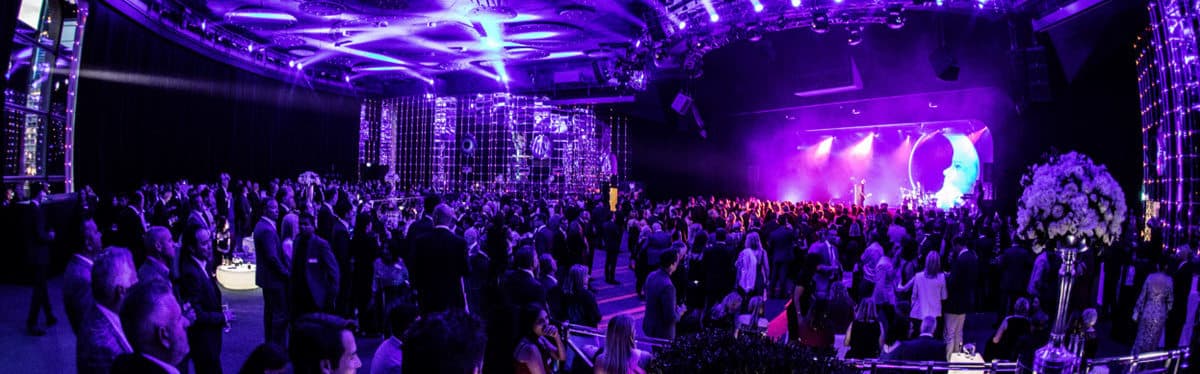
No less popular are events organized for niche markets, such as music festivals, theatrical premieres, and meetings with famous personalities. People see such events not only as a chance for entertainment but also as an opportunity to enter a cultural community that is characterized by high standards. This creates a sense of exclusivity and satisfies the need for self-affirmation.
Experiences as Investments in Personal Development
The growing interest in gaining experiences can also be seen as a desire to invest in personal growth. For instance, participation in training programs, masterclasses, or educational seminars provides not only new knowledge but also helps reveal one’s inner potential. People increasingly recognize that time spent acquiring experience and knowledge is more valuable than purchasing material goods.
This attitude towards money and time stimulates the growth of popular areas such as self-improvement, education, psychology, sports, and creativity. Investments in these fields often turn out to be more beneficial and bring greater satisfaction than acquiring the latest gadget or updating one’s wardrobe.
Advantages and Disadvantages of the Experience Economy
Like any trend, the experience economy has its pros and cons. On the positive side, it contributes to strengthening social bonds, promoting cultural exchange, and enhancing personal skills. Investing in unique experiences can lead to personal growth, expanding one’s horizons, and improving quality of life.
However, there are also drawbacks. Amid the obsession with experiences, many people begin to forget the true value of material things such as financial stability and security. Additionally, some events or trips may become a source of stress if they do not meet expectations or fail to align with available resources.
Conclusion
The experience economy has become an essential component of modern consumer behavior. People increasingly prefer to invest in experiences that bring them joy, emotions, and memories, rather than in material possessions that quickly lose their appeal. This new approach is influencing businesses and altering the perception of the value of time and money. In the future, we can expect even more people to favor experiences over things, which will shape the trends in the global economy.