 0
0
 0
0
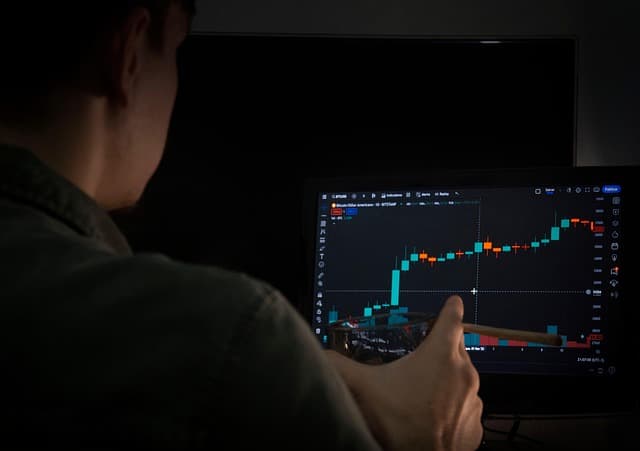
If you are just starting to learn about Forex trading, you might see charts full of lines, colors, and numbers. It can look confusing. But don’t worry. One helpful part of these charts is called “technical indicators.” These are tools that help you understand when it might be a good time to buy or sell. In this guide, you will learn the basics of using these indicators in a simple way.
Just like how non GamStop casinos help some users explore alternatives, technical indicators give you a different view of the Forex market. They don’t give perfect answers, but they help you make better decisions.
What Are Technical Indicators?
Technical indicators are tools used in Forex trading to understand price movement. They are based on past prices. You can find them on most chart platforms. These indicators are not magic. They do not tell you what will happen next. But they show patterns that can help you decide what to do.
For example, if the price is going up and an indicator also shows a strong trend, you might think it’s safe to buy. If the price is going down and the same indicator shows weakness, it may be a sign to wait.
Most indicators use math, but don’t worry. You don’t need to do the math yourself. Your charting tool does that for you.
Moving Averages: A Basic Starting Point
One of the easiest indicators to understand is the moving average. It shows the average price over a certain number of days. You can pick short periods (like 10 days) or longer ones (like 50 or 200 days). This line helps smooth out price movement, so you can see the general direction more clearly.
If the price is above the moving average, it may mean an uptrend. If it is below, it might mean a downtrend. Many people use more than one moving average to get a better picture. When a short moving average crosses a long one, it can show a possible change in direction.
You can start by adding a simple moving average (SMA) to your chart and just watching how the price moves around it. This gives you basic insight into the market.
RSI: Know When a Price Is Too High or Too Low
The Relative Strength Index (RSI) is another beginner-friendly indicator. It is a number between 0 and 100 that helps you see if a price is too high or too low.
If the RSI is above 70, people may say the currency is “overbought.” That means the price went up quickly, and it could fall soon. If it is under 30, it might be “oversold,” which means the price dropped too fast, and it might rise again.
You should not use RSI alone to decide what to do, but it can give you a helpful signal. You can combine it with price charts or other indicators.
MACD: Watching for Momentum
MACD stands for Moving Average Convergence Divergence. It looks complicated at first, but you can learn the basics easily.
MACD uses two moving averages. One is fast, and one is slow. When the fast line crosses above the slow line, that can be a buy signal. If the fast line drops below the slow one, that might be a sell signal.
MACD also includes a bar chart called the histogram. It shows you how strong the trend is. Bigger bars mean stronger movement.
This indicator is useful if you want to see if a trend is just starting or if it is already getting weak.
Bollinger Bands: Understanding Price Ranges
Bollinger Bands look like a tunnel around the price. There are three lines: a middle one (which is a moving average) and two outer bands.
These bands show the normal price range. When the price touches the top band, it could mean the price is high and may fall. When it touches the bottom, it might be low and could rise.
But it’s not always that simple. Sometimes, prices walk along the top or bottom band for a while. That’s why it’s good to combine Bollinger Bands with other tools like RSI or MACD.
Still, if you want to understand price movement inside a range, this tool gives you a strong visual signal.
Support and Resistance: Not an Indicator but Still Important
Support and resistance are lines on your chart where prices often stop moving. Support is a price level where the market tends to go back up. Resistance is a level where the market often drops.
These lines are not technical indicators, but they are used by most traders. You can draw them by hand by looking at past highs and lows.
When price breaks above resistance, it might keep going up. If it falls below support, it might keep going down. Many indicators work better when you also pay attention to support and resistance levels.
Combining Indicators the Smart Way
No single indicator is enough on its own. Many new traders make the mistake of adding five or more indicators at once. This creates confusion.
A better way is to pick two or three that work well together. For example, a moving average for trend, RSI for overbought/oversold, and support/resistance for price levels.
This gives you a more complete view. But even then, indicators are only part of the picture. You also need to think about news, timing, and your own risk comfort.
Keep It Simple at the Start
When you’re learning about Forex, start with simple tools. Add one indicator to your chart and watch it. Try to see how it reacts when the price moves.
Don’t try to find a perfect system. There is no magic setup. The goal is to understand what the market is doing, not to predict it with 100% accuracy.
You should also use a demo account first. This way, you can practice using indicators without losing any money.
Learn Slowly and Stay Curious
Understanding technical indicators takes time. You don’t have to learn everything in one day. Some traders spend years finding what works best for them.
The most important thing is to keep learning and stay curious. Even professional traders adjust their tools over time.
Try different indicators and see how they feel to use. Over time, you’ll build your own style.